5 Key Inspection Steps We Take Before Shipping Used Toyota Corolla Cross Overseas
The five checks every used Corolla Cross goes through before export: VIN and document match, paint thickness, OBD scan, hybrid battery and powertrain, and underbody — and what you receive.
By EVtoU Export Team · Published · 5 min read

Every used Toyota Corolla Cross we export goes through the same five checks before it is offered to a buyer: a VIN and document match, a paint thickness survey, an OBD diagnostic scan, a hybrid battery and powertrain check, and an underbody inspection with a short drive. You receive photos or video of each step, so you can judge the car without being here.
A buyer overseas cannot walk round the car, open the doors or listen to the engine. The inspection has to do that for you, in a way you can verify. Here is what each step covers and why.
1. VIN and document match
We start with identity. The VIN is read from the windscreen plate, the body stamping and the label on the door pillar, and compared with the VIN on the Chinese vehicle registration certificate (机动车登记证书). The certificate also gives the first-registration date and the number of ownership transfers. We confirm that the powertrain on the car — 2.0 L petrol or 2.0 L hybrid — matches the documents and the listing.
Why it matters: a VIN that does not match on every location is a reason to stop. The first-registration date is also what most import rules use to apply age limits, so it has to be right on your paperwork.
2. Body and paint thickness
We measure paint thickness on every panel with a gauge: bonnet, roof, doors, wings, boot lid, bumpers and pillars. Factory paint gives readings that are consistent across the car. A panel that reads much higher than the others has usually been refinished, and that prompts a closer look at panel gaps, welds, sealant lines and bolt heads in the same area.
Why it matters: a respray after a light scratch is common and not a problem in itself. Repairs around the pillars, roof or structural members are a different matter. The gauge tells us where to look, and we tell you what we found.
3. OBD diagnostic scan
We connect a diagnostic tool to the OBD port and read stored and pending fault codes from the engine, CVT, hybrid system, ABS and airbag modules. We also check the readiness monitors: if they are not set, the codes may have been cleared recently, and we ask why.
Why it matters: warning lights can be switched off by clearing codes, but the fault behind them stays. A scan shows what the dashboard does not.
4. Hybrid battery and powertrain
For hybrids, we read the hybrid battery’s health data with the diagnostic tool and look at how evenly the battery blocks behave, and we check that the battery cooling air intake is clean. We then confirm that the car pulls away on electric power at low speed and that the engine starts and stops smoothly. For the 2.0 L petrol, we check a cold start, idle quality, oil and coolant condition, and how the CVT responds when pulling away and under load.
Why it matters: the hybrid battery is the most expensive single part of a hybrid. Knowing its condition before purchase removes the main uncertainty buyers have about used hybrids.
5. Underbody, tyres and short drive
Under the car we look for oil and coolant leaks, impact damage to the subframe and sills, corrosion, and the condition of the suspension arms, bushes and exhaust. We record tyre tread depth and date codes on the 17-inch wheels, and check brake discs and pads. A short drive confirms steering, braking and the absence of knocks or vibration.
Why it matters: underbody damage is invisible in exterior photos, and tyres and brakes are the first costs a dealer faces after arrival.
| Step | What we check | What it tells you |
|---|---|---|
| 1. VIN and documents | VIN on all locations, registration certificate, powertrain | The car is what the paperwork says |
| 2. Paint thickness | Gauge readings on every panel, gaps, welds | Where repairs or refinishing have been done |
| 3. OBD scan | Stored and pending codes, readiness monitors | Hidden faults and recently cleared codes |
| 4. Hybrid / powertrain | Battery health data, cooling intake, engine and CVT | Condition of the most costly components |
| 5. Underbody and drive | Leaks, damage, corrosion, tyres, brakes, drive | Costs you would face after arrival |
What you receive
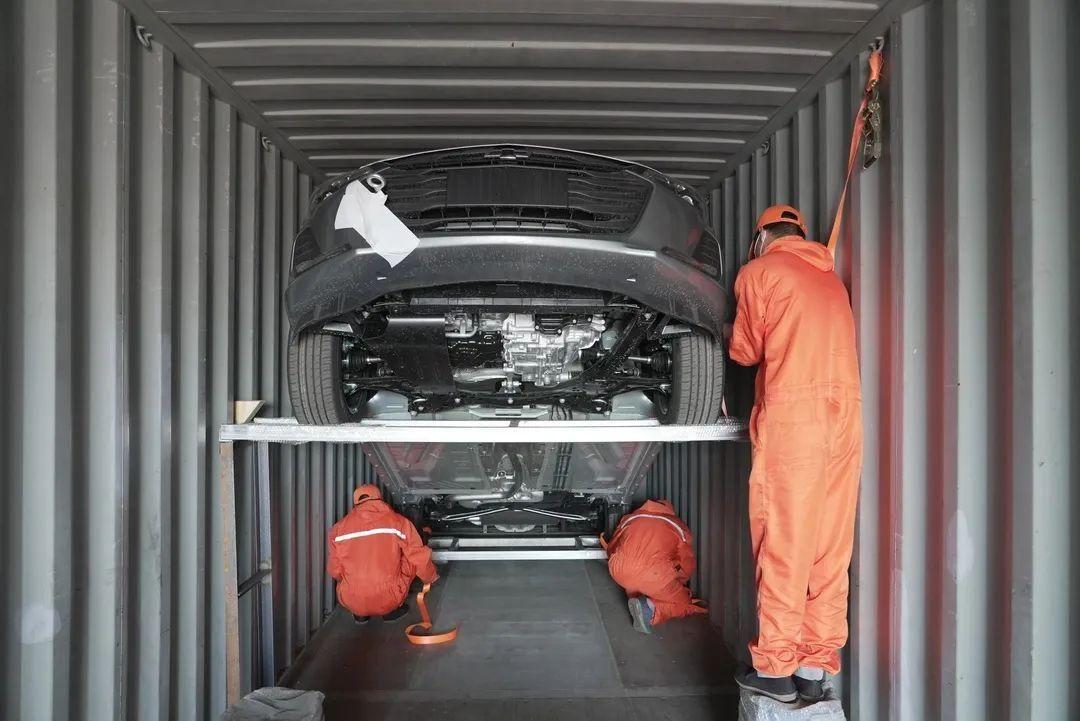
You get the inspection results with photos or video before you confirm the unit, including the gauge readings and any fault codes. If a check turns up something you should know about, we say so plainly. After that, you keep receiving a photo or video at every milestone: preparation, transport to Nansha Port, and loading.
The inspection is also how we stand behind mileage and accident history — see How We Guarantee Mileage and Accident-Free Status. If you would rather inspect the cars yourself, read What to Expect During an On-Site Vehicle Inspection.
 Used 2025 Toyota Corolla Cross 2.0L Hybrid
Hybrid · 2.0L HEV · 144 kW · WLTC 4.56 L/100 km
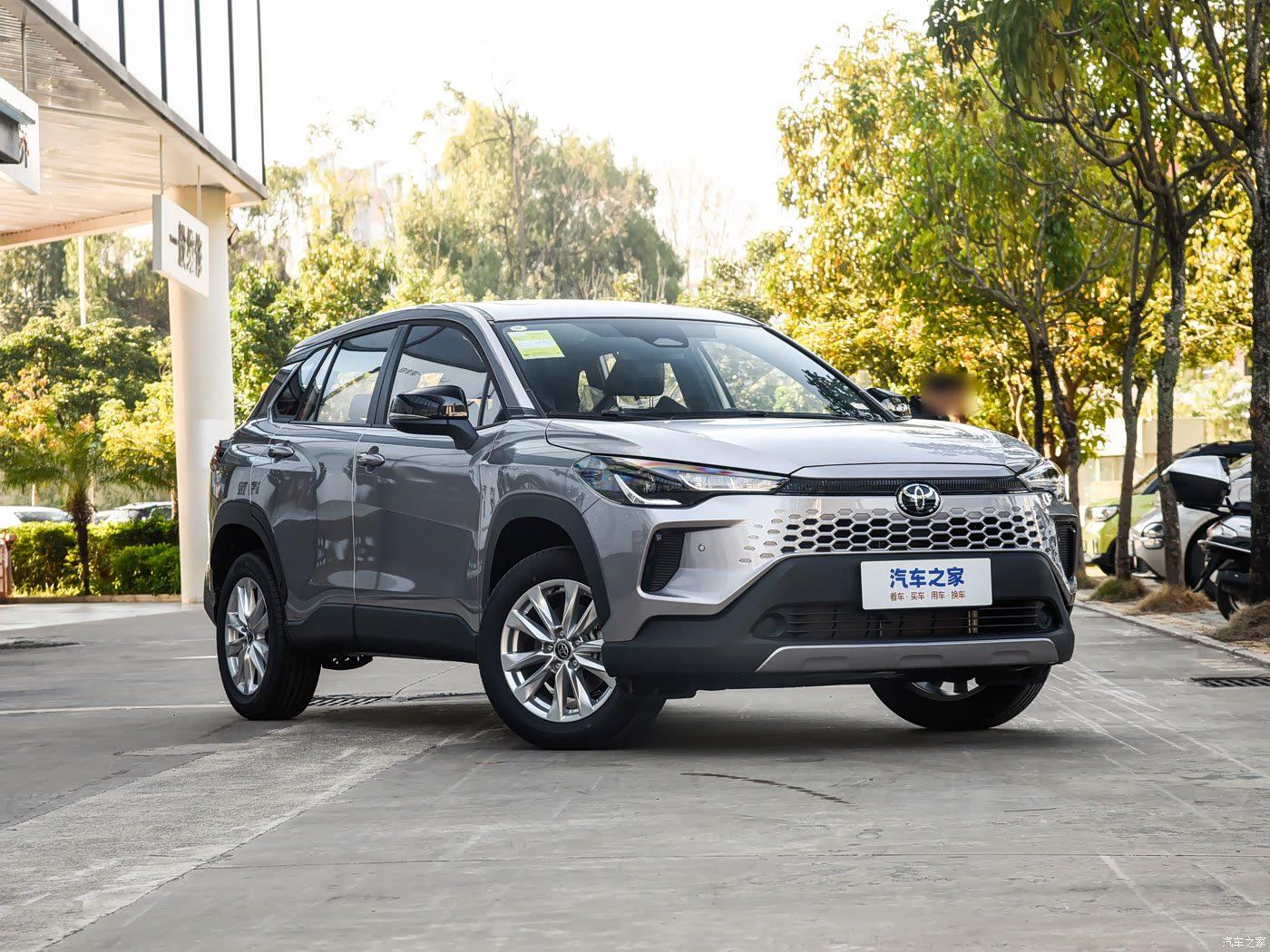 Used 2025 Toyota Corolla Cross 2.0L Petrol
Petrol · 2.0L · 126 kW · WLTC 6.42 L/100 km